
What Happens at the End of a Car Lease?
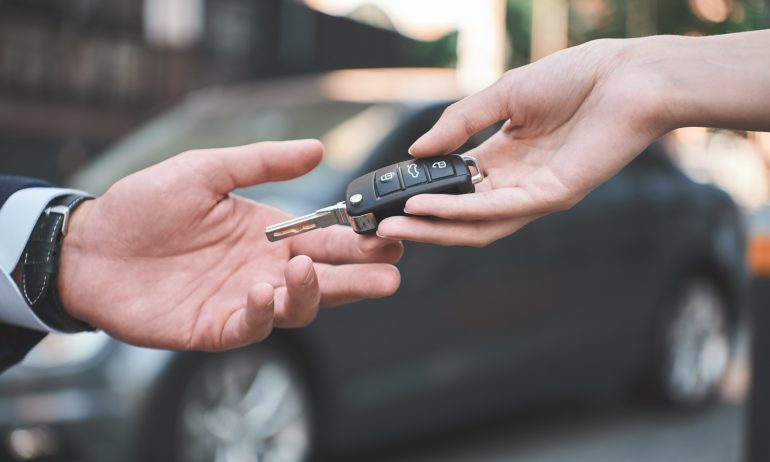
Leasing a car is a straightforward and cost-effective way to secure a brand-new vehicle to drive. You can lease a car for a chosen period, which is usually between two and four years. Once the lease period is over, you simply return the vehicle to the finance company.
The lease process at VIP Gateway starts by looking at the lease options available. Once you’ve chosen the perfect deal for you and signed a lease agreement, you take delivery of the vehicle. That’s all very simple, but what happens at the end of a car lease deal? The good news is that the end-of-lease process is easy to navigate, too. In this post, we’ll take you through what happens when your car lease ends so you know exactly what to expect.
What happens at the end of a car lease in the UK?
When your car lease period is coming to an end, you need to arrange a suitable time to return the vehicle to the finance company. When you return the car, it will be examined. During this examination, the vehicle will be checked for “fair wear and tear” and “excess mileage.”
If nothing untoward is found during the examination, you’re free to browse the latest car lease dealsand sign a new agreement if you choose to.
Do you owe anything at the end of a lease?
Normally, you won’t need to pay anything when your car lease ends. However, if the vehicle mileage exceeds what was agreed upon or if the condition of the vehicle does not meet the fair wear and tear requirements, you’ll usually have extra costs to pay.
You’ll be fully informed throughout the end-of-lease checks. You’ll also get a full breakdown of any costs due. To avoid incurring these costs, ensure that you do not exceed your mileage allowance and keep your lease vehicle well-maintained.
Keep reading to get a better understanding of what fair wear and tear is and for more tips about how to avoid extra costs when you return your lease vehicle.
What is fair wear and tear?
In simple terms, “fair wear and tear” means an acceptable deterioration of a vehicle due to normal usage. You won’t be charged for this type of deterioration to parts of a lease vehicle, such as tyres, glass, bumpers, and the interior.
The term “fair wear and tear” doesn’t apply to exceptional happenings, such as impacts, incorrect storage of items, mistreatment of the car, and any form of negligence. You’ll find more information in the British Vehicle Rental and Leasing Association (BVRLA) fair wear and tear guide and specific guidance provided by the finance company. You should read this guidance at the start of the car lease period and again towards the end of the lease period.
What to look out for that may lead to end-of-lease penalties
In most cases, people don’t incur extra costs at the end of a car lease period. However, when costs are applied, they usually relate to certain types of damage. We’ve listed these types of damage below, and we recommend you pay close attention to them when you check your lease car before returning it.
Damage to seats, such as rips, tears, or burns.
Scratches and scuffs to paintwork.
Bodywork dents and chips.
Any damage to the wheels or trims.
Scratches that are more than 22mm or less than 22mm when metal is showing.
Damage from accidents.
Lost keys.
What to do in the lead-up to the end of the lease period
Bearing in mind the information about damage to look out for, you should prepare to return your lease car several weeks before the end of the lease period. The table below shows you a suggested schedule for this preparation.
12 weeks prior to the end of the lease
Read the fair wear and tear information you have.
Plan to act on any issues you identify
10-12 weeks prior to the end of the lease
Wash your lease vehicle before checking for issues.
Check the vehicle in a location where there is enough light.
Take time to complete the check and ensure you examine the entire vehicle, inside and out.
Crouch down and examine along the car’s bodywork on each side to identify any scratches or dents.
Carefully inspect lights and mirrors for cracks and chips.
Check tyres for tread issues and punctures.
Valet the interior of the vehicle.
Examine all upholstery for rips, stains, and foul odours.
Ensure all controls are present and fully functional.
4-10 weeks prior to the end of the lease
Arrange for any damage to be repaired.
Ensure you have all keys, the service book, the MOT certificate if applicable, and the operation manual.
Return day
Ensure the car is clean and fresh smelling.
Remove any personal items from the vehicle.
Have all documents ready in a pack.
Paying attention to this suggested schedule makes the end-of-lease process easier and helps you avoid any unexpected costs.
If you’re coming to the end of your current car lease, you may also want to look at our in-stock lease deals and electric car lease deals if you want to lease a new vehicle. We’re happy to help with any queries you have. You can call us directly on 0161 814 9623 or email [email protected].