
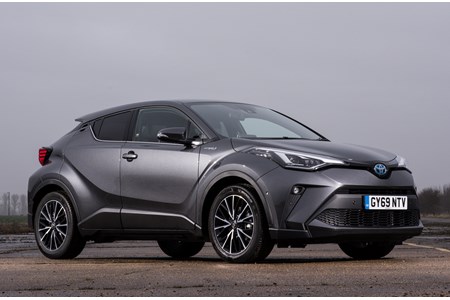
Should I Lease a Hybrid Car – Guide
Looking for a greener driving option? Leasing an electric carcould be a good choice for you. Our article “The 10 Best Reasons to Lease an Electric Car” shows you why this is the case. However, we realise that you may not feel ready to take the leap from driving a petrol or diesel vehicle to going fully electric.
If this is the case, you can begin your journey to greener driving by leasing a hybrid car. These vehicles are partially electric and available from top brands such as Toyota, BMW, and Renault. This guide introduces you to hybrid cars by explaining what they are, showing you the different types of hybrid cars available, and discussing the pros and cons of these vehicles. This information will make it easier for you to decide if a hybrid car is a good leasing option for you.
What is a hybrid car?
A hybrid car operates using a combustion engine and at least one electric motor. The system captures energy using regenerative braking. Depending on the type of hybrid system used, the electric motor does only a little work or a lot of work. The result of using a hybrid system is improved fuel economy and greener driving.
In most cases, hybrid vehicles recharge their batteries while moving by using the regenerative braking system. This system means that energy that would normally be lost while braking or at a standstill in traffic is saved and stored in the vehicle’s battery pack. In some cases, hybrid vehicles can be plugged in to top up the battery. This top-up enables the car to travel further on electric power and reduces fuel consumption and emissions.
What are the different types of hybrid cars?
As we’ve already touched on, there are different types of hybrid cars that work in different ways. Below, we look at the various hybrid options available to help you decide which option is right for you.
Mild Hybrid (MHEV)
You’ll find mild hybrid versions of popular models such as the Ford Focus. This type of hybrid vehicle combines a traditional combustion engine with a small electric motor. Mild hybrid vehicles can’t be driven using electric power only. The motor is only used to boost the engine and improve fuel efficiency. The main benefit of mild hybrid technology is that it turns the engine off when the car is braking or stationary.
Pros of mild hybrid cars:
Cheaper to produce than other types of hybrid vehicles.
Better fuel economy than petrol or diesel vehicles.
Electric motor can be used to boost power.
Cons of mild hybrid cars:
Can be more expensive to buy or lease than non-hybrid vehicles.
Fuel efficiency isn’t as good as for full hybrid cars.
Full Hybrid
This is the most common type of hybrid vehicle available to buy or lease in the UK. Full hybrid cars combine a 30 to 70-kilowatt electric motor with a combustion engine. They use regenerative braking and start-stop technology to improve efficiency.
Full hybrid cars, like the Toyota Yaris, Renault Clio, and Honda Jazz can drive under electric power only. However, they can only do so at low speeds and for short distances. Driving in this way improves fuel efficiency and reduces CO2 emissions.
Pros of full hybrid cars:
Battery automatically recharges while the car is moving.
Driving a full hybrid car helps you avoid congestion charges.
Good range of model options available.
Cons of full hybrid cars:
Maintenance costs can be high due to the presence of dual engines.
The zero emissions range is limited as the battery capacity is small.
These cars are often more expensive to buy or lease than mild hybrid vehicles.
Plug-In Hybrid (PHEV)
These vehicles use the same technology as full hybrids. However, they also have a much larger battery pack. This means the vehicle can be plugged into a power source to charge the battery. Having this extra charge means that PHEV cars like the Hyundai Sante Fe, Kia Sportage, and BMW 330e can travel further than full hybrid cars on electric power only.
In most cases, PHEVs have an electric-only range of 30-40 miles. This means that if you’re taking a short trip around town and starting with a full battery, you can use the emissions-friendly EV mode. The range of a PHEV isn’t as good as a fully electric vehicle (EV), but it does have the advantage of being able to operate under petrol power only, thereby removing range anxiety.
Pros of a plug-in hybrid car:
Larger battery capacity than a full hybrid.
Reduced CO2 emissions compared to mild hybrids and full hybrids.
The flexibility to use electric and traditional fuel.
Cons of a plug-in hybrid car:
Access to a power source is necessary to charge the battery.
Keeping the battery charged is essential to get full benefit from the vehicle.
Is it worth leasing a hybrid car?
The popularity of hybrid cars is high. These vehicles provide an eco-friendly option to traditional combustion engine cars. They’re also a good first step to take if you want to embrace greener driving but aren’t ready to go fully electric just yet. As we’ve shown you, there are several hybrid vehicle types to choose from if you’re considering leasing a hybrid car.
Across these options, there are some overall advantages and disadvantages to consider when looking at hybrid cars as a leasing option.
Advantages of hybrid cars
The advantages of hybrid cars, in general, are as follows:
Improved fuel efficiency and reduced emissions, especially in full hybrid and plug-in hybrid models.
Regenerative braking systems that capture energy that’s normally wasted and use it to recharge the battery, thereby improving efficiency and reducing maintenance costs.
Quieter operation than combustion engine vehicles.
Long-term savings on fuel costs and maintenance.
A wide range of available hybrid models available, including SUVs, compact cars, saloons and luxury cars.
Reduction of emissions that’s beneficial to the environment.
Disadvantages of hybrid cars
The potential disadvantages of hybrid cars to consider include:
High upfront purchase costs, although this issue can be addressed by leasing a hybrid vehicle instead.
Many hybrid cars can’t operate solely on electric power, and those that can have a limited range.
There’s not as much choice of hybrid models in certain vehicle classes, such as larger SUVs and trucks.
Drivers of hybrid plug-in vehicles are reliant on the charging infrastructure to optimise the benefits of the vehicle.
Hybrid cars often have a smaller boot space than conventional vehicles as they need to accommodate a hybrid battery pack.
The verdict
The decision about whether you should lease a hybrid car is a personal one. If your priorities include fuel efficiency, reduced emissions, and long-term cost savings, leasing a hybrid vehicle could be a good option. However, if you need a vehicle that protects the environment and is suited to driving longer distances, an electric vehicle is most likely a better choice for you.
So, you must consider your driving habits before you make a leasing decision. Think about the distance you drive each day, your leasing budget, and how you feel about protecting the environment. You may find that a hybrid car gives you the best combination of affordability and greener driving, as electric cars are usually more expensive to lease.
The information in this guide should help you recognise if a hybrid car lease deal is best for you. If you remain undecided, searching our special offersand in stock deals can inspire you. Our team is also happy to help you make a decision. Just call us on 0161 814 9623 or send an email to [email protected].